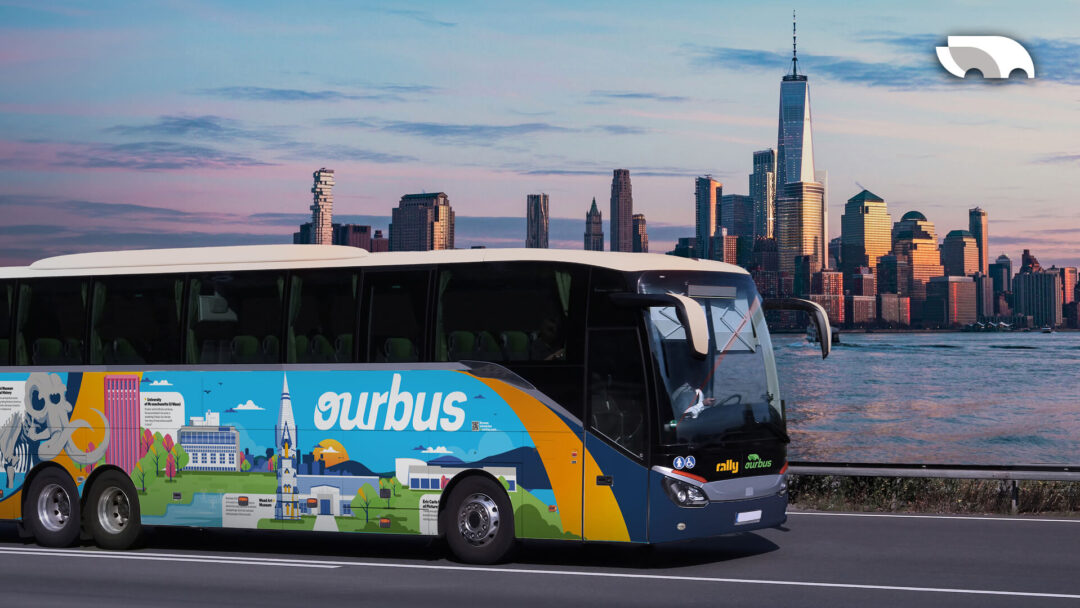
Leave the car at home; New York is the one American city that rewards you for it. OurBus runs into Manhattan from across the Northeast — Philadelphia from $9, Washington DC from $13, Boston from $19 — and lands you at a Midtown curb instead of a parking garage. We checked the corridor pages on August 12, 2026, and the numbers below are that day’s fares and windows. Add the subway and your own feet, and a car in this city becomes what it actually is for a visitor: an expensive storage problem with a steering wheel.
Driving in has never penciled worse, in fact. The Congestion Relief Zone is Manhattan’s tolling program for the busiest part of the island, charging cars to enter on top of the tunnel tolls and the parking you were already paying; the MTA’s program page has the current rates. The bus pays none of that per passenger, and it drops you inside the city the toll is protecting. Here is the weekend, planned in three moves.
How Do You Get In on Friday?
Pick your corridor and note its evening reach, because Friday arrival times are where the weekend is won. The inbound windows we found, cheapest first:
- Philadelphia to NYC — from $9, 1.5 to 2.5 hours, 19–20 buses running to 11:25 PM. Leave work at six, land in Manhattan by nine.
- Boston to NYC — from $19, 4 to 4.5 hours, up to 20 buses from 5:00 AM to 11:30 PM.
- Binghamton to NYC — from $18, 3 to 3.5 hours, with a 4:20 AM first bus for the ambitious.
- DC to NYC — from $13, 4 to 4.5 hours, last departure 7:30 PM, so a DC Friday means leaving by early evening.
- Ithaca to NYC — from $25, 4 to 5 hours, 6:30 AM to 9:30 PM.
Most of these arrive in Midtown West near Hudson Yards, a short walk or one subway stop from the heart of everything; a few corridors, mostly upstate long-hauls, use the George Washington Bridge Bus Station uptown instead. Your booking confirmation names your exact stop, and our boarding-point breakdown explains the geography in both directions. Either way, you step off the bus already inside the city, which is precisely what a driver circling for parking is paying to achieve.
What Does the Car-Free Saturday Actually Look Like?
Like the city working as designed. New York is the most walkable big city in the country, laced with a 24-hour subway, and a visitor’s Saturday needs no vehicle bigger than an elevator. The practical rhythm we recommend: pick one anchor neighborhood per half day rather than criss-crossing the boroughs, because in New York the distance between plans costs more time than the plans themselves. For example, a morning around the High Line and Hudson Yards, an afternoon drifting through the Village, and an evening in a Midtown theater seat make a full day with barely a train ride in it. Museum days work the same way; so do food crawls. What would the same Saturday look like with a car? Two parking garages, one moved-for-street-cleaning scare, and at least an hour of your weekend handed to traffic you voluntarily joined. The bus rider’s version of “where did I park” is remembering which corner the ride home leaves from, and the ticket answers that.
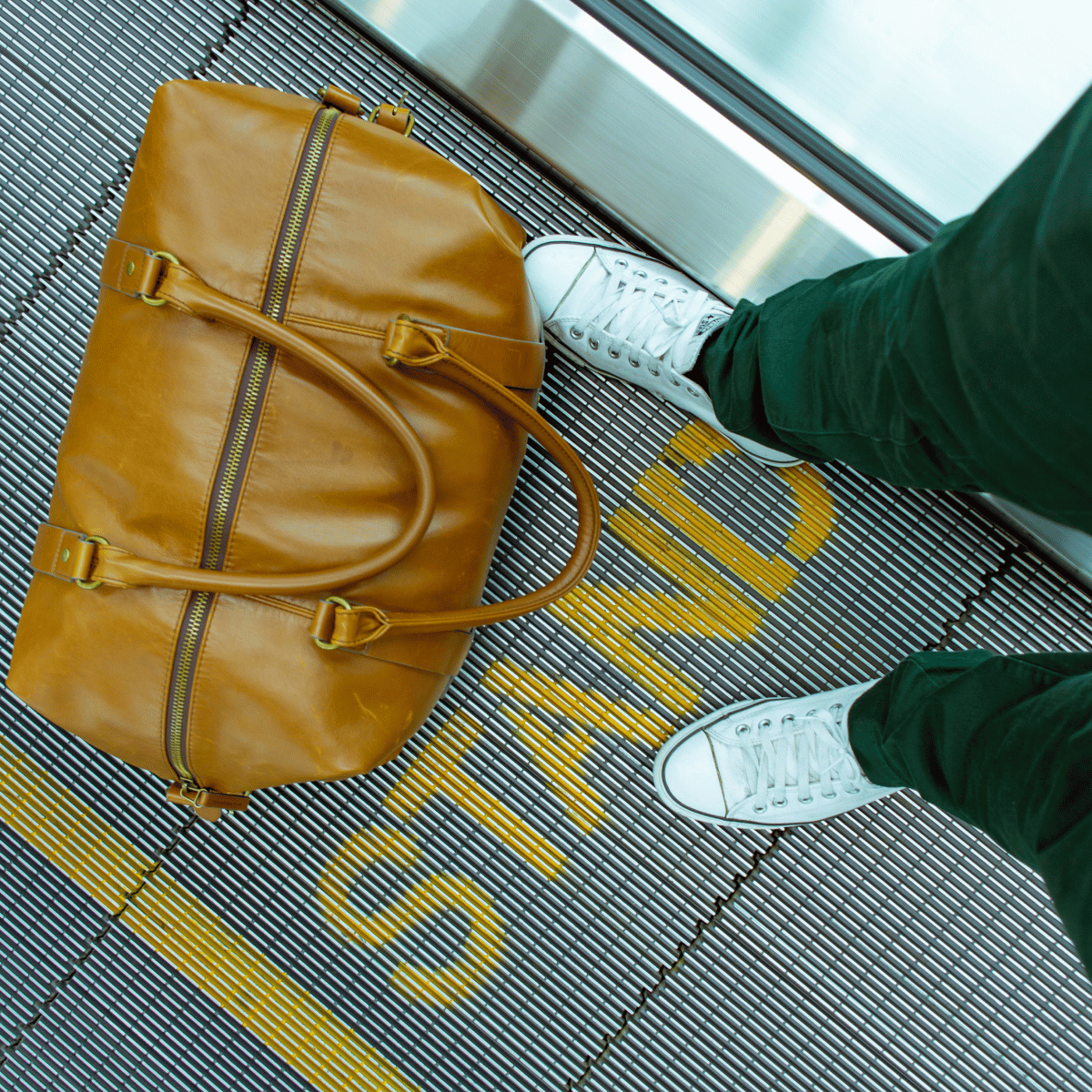
One packing note earns its keep: travel like a local, with a single bag you can carry up a subway stairwell. Manhattan hotels routinely hold luggage before check-in, so an early arrival does not strand you with your duffel. If rain rearranges the day, the city converts gracefully; museums, food halls, and a matinee absorb a wet afternoon better than any windshield view of it would. And bookmark the OurBus tracker for the ride home, because watching your bus approach from a warm coffee shop beats standing on the corner in the weather, however faithfully you arrived ten minutes early.
How Late Can You Stay on Sunday?
Later than almost any other city lets you, and this is the derivation worth planning around. When we measured the outbound windows on the same day, we found the last bus out of NYC leaves at 11:59 PM for Philadelphia and Binghamton, 11:30 PM for Boston, and 10:30 PM for DC. The last-bus-out window is the span your Sunday can fill before the weekend officially ends, and in New York it runs through dinner, a show, and dessert. For instance, a Philadelphia visitor can watch an 8 PM curtain fall and still make a bus home. Two cautions keep it honest. Ithaca’s last departure is 11:59 PM but upstate long-hauls like Buffalo and Rochester leave by early afternoon, so check your specific corridor rather than assuming. And Sunday-evening seats are the ones every other weekender wants, so book the return when you book the way in. If the weekend runs long anyway, you can rebook up to 60 minutes before departure or contact OurBus rider support at any hour.
If the weekend is a group project, a reunion, a church trip, or a club outing that wants to arrive as one, the same car-free logic holds on a bigger vehicle. A private coach through OurBus Charters in New York drops the whole party at one Manhattan curb on Friday and collects it from the same spot on Sunday.
Frequently Asked Questions
How much does a car-free NYC weekend cost to reach?
From $18 round trip out of Philadelphia at starting fares, $30 from DC ($13 in, $17 back), $38 from Boston. OurBus is a tech-enabled intercity bus service with demand-priced fares, so booking a week or two ahead is what keeps those floors real.
Where does the bus drop you in New York?
Most corridors arrive in Midtown West near Hudson Yards; some upstate routes use the George Washington Bridge Bus Station. The stop for your specific departure is fixed on your ticket, which is the authority worth trusting over habit.
Do you need the subway at all?
For a single-neighborhood weekend, barely. For the classic tourist spread, a pay-per-ride fare covers each leg, and every bus arrival point sits within reach of a station. No visitor itinerary in Manhattan requires a car; that is the entire point of the trip design.
Every figure above was fact-checked against the live route pages the day this was written. Pick your corridor, check fares into New York on the OurBus tickets page, and book both directions before the Sunday-evening seats disappear.

No Comments