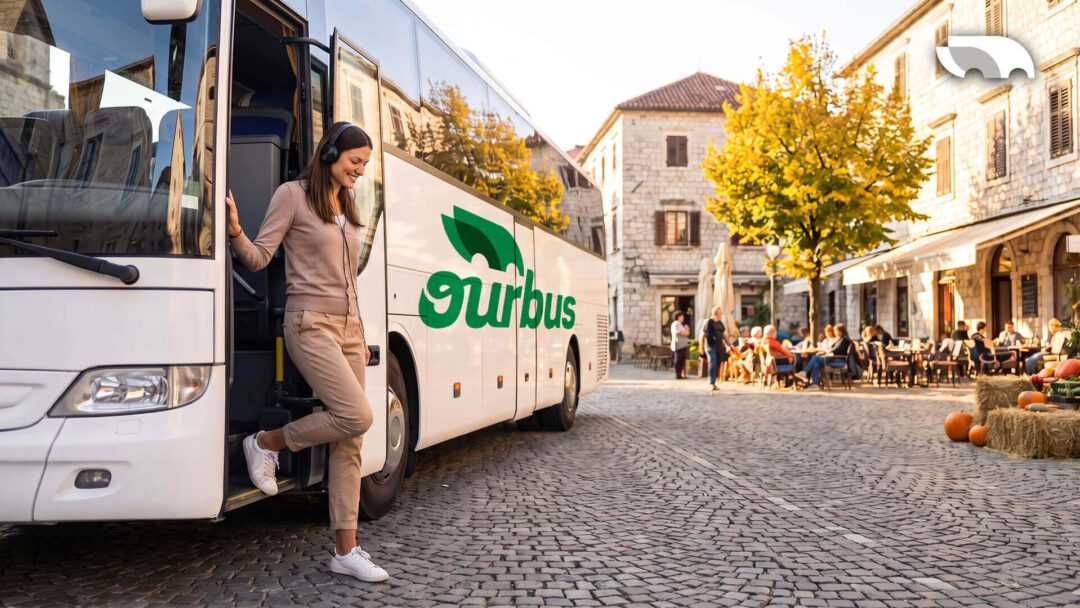
Yes. Riding an intercity bus alone puts you in a public vehicle with a professional driver, on a scheduled route, with your seat documented in a booking system — a fundamentally safer setup than driving several hours solo. Importantly, on OurBus every trip is operated by a licensed, DOT-registered carrier, so the risks that remain are logistical rather than dramatic: the wrong stop, a late-night arrival without a plan, a missed connection with no fallback.
In our experience planning solo itineraries on this network, those logistics bite in the same four places every time. Therefore, rather than a list of reassurances, here are the four mistakes solo riders make, what each one costs, and the fix for each.
Mistake 1: Why Shouldn’t You Book the Last Bus of the Day?
What it looks like, and what it costs. Taking the final departure squeezes one more hour out of your day, and it costs you your only fallback. A solo rider on the last bus has nobody to problem-solve with if anything goes sideways, and on some corridors the “last bus” comes surprisingly early. For example, the final Baltimore to NYC departure leaves at 7:00 PM; miss it and you are arranging a hotel alone at dinner time. In contrast, the NYC to Philadelphia corridor runs 19 to 20 buses a day until 11:59 PM, so the same mistake there costs under an hour of waiting. We checked these schedules on the route pages on August 17, 2026, and found the spread across the network wide enough that frequency should shape which departure a solo rider picks.
The fix. Book one departure earlier than the latest one you could take, and know your corridor’s frequency before you rely on it. As a result, you always have a next bus in your pocket — the single biggest safety margin a solo rider can buy, and it costs nothing.
Mistake 2: What Happens If You Go to the Wrong Stop?
What it looks like, and what it costs. You search the departure city in a map app, walk to “the bus stop,” and watch nothing arrive — because most intercity stops are curbside rather than inside a terminal, and in New York specifically, one route can board at several points, including two different 11th Avenue stops one block apart. It costs you the bus. Importantly, a solo rider has no travel companion holding a spot in line or calling to say the bus is boarding, so the error surfaces only when it is too late to fix.
The fix. Specifically, your booking confirmation is the authority. Match the exact street address on your ticket, not a name from a map search, and arrive 10 to 15 minutes early. Similarly, if you are choosing between Midtown and the uptown station before you even book, our guide to picking your OurBus NYC stop walks through which routes give you a choice and which do not.
Mistake 3: How Do You Handle Arriving After Dark?
What it looks like, and what it costs. A 10:30 PM arrival at an unfamiliar curbside stop with a dying phone and no onward plan — the only genuinely uncomfortable fifteen minutes of solo bus travel. In fact, the ride itself is supervised; the sidewalk afterward is where planning matters.
The fix. Three moves. Charge your phone on board, since OurBus coaches have outlets and WiFi, so a dead battery is a choice. Meanwhile, book your onward ride while the bus is still moving, not after you step off. And know your arrival point in advance: a curbside stop is a signed pickup point on a public street, so check what surrounds it before you travel. Notably, not every stop is a sidewalk. The George Washington Bridge Bus Station is an indoor, staffed Port Authority facility directly above the subway, and Boston-bound riders can board inside the Port Authority Bus Terminal itself. If arriving indoors matters to you, that can legitimately shape which departure you pick. Would you rather wait on a sidewalk or in a station? On some routes, you genuinely get to choose.
Mistake 4: Why Shouldn’t You Keep Your Trip to Yourself?
What it looks like, and what it costs. Nobody knows which bus you are on or when it lands. It costs you the one safety layer that takes zero effort, because solo does not have to mean untracked.
The fix. Share your trip. The OurBus Tracker is the live map of your actual bus, and sending someone your ETA from it turns “text me when you get there” into something automatic — here is how the tracker works. Similarly, add the 24/7 rider support number from the app before you travel; if anything feels wrong at a stop, contact them from a well-lit storefront rather than waiting it out. That said, in years of these trips, we found the support line’s main use is mundane: asking where a late bus is.
Can Teenagers Ride the Bus Alone?

From 16, yes — with a wrinkle worth knowing. OurBus’s FAQ sets the unaccompanied-minor floor at 16, rising to 17 for trips leaving the state of Illinois, and riders under 16 must travel with someone 18 or older. Confusingly, the same FAQ also says there is “no minimum age to travel” — that line is about accompanied children, who can ride at any age with their own ticket. The two rules answer different questions, and conflating them is a common mistake among parents booking a first solo trip for a high schooler. For a 16-year-old’s first ride alone, the four fixes above are the briefing: an earlier bus, the exact stop address, a charged phone with the onward ride booked, and the tracker shared with a parent. The corridor matters too. For example, a first solo trip on a 20-bus-a-day route like NYC to Boston is more forgiving than one on a 5-bus corridor like NYC to Baltimore.
The opposite problem, one adult responsible for a whole busload of teenagers, is not a solo-travel question at all. A school trip or a youth group belongs on its own vehicle, with a driver who is theirs for the day, which is what OurBus Charters arranges; counting heads at a single curb is a far easier job than the one this post is about.
Who is actually driving matters less than people fear: OurBus contracts licensed motor coach operators, and the vetting behind that is explained in who runs OurBus buses. Ready to plan a first solo trip? Check your corridor’s schedule on the route pages and book a seat with margin built in.
Frequently Asked Questions
Is the bus safer than driving alone?
For a solo traveler, the bus removes the risks that actually accumulate on a long drive — fatigue, night driving, phone temptation — and replaces them with a professional driver and a documented, trackable trip. However, the bus asks something of you instead: street-level awareness for a few minutes at each end, which the four fixes above cover.
Which NYC departure points have indoor waiting?
Two: the Port Authority Bus Terminal, used by Boston-bound OurBus departures among others, and the George Washington Bridge Bus Station uptown, which is staffed and sits directly above the A train. Every other NYC point is curbside, so check your ticket’s address and dress for the wait.
What should you do if you feel unsafe at a stop?
Move to the nearest open, lit business and contact OurBus’s 24/7 rider support through the app — they can tell you exactly where your bus is, which resolves most worries on the spot. If the concern is about your surroundings rather than the bus, remember a stop is a public street: step inside somewhere, watch the tracker, and walk out when the bus is two minutes away.



No Comments